
Hospital Bag Checklist For Mom
Preparing for your baby’s arrival is such an exciting journey, but when it comes to packing for the hospital, it’s easy to wonder what you’ll really need. As a mom of two, I remember overpacking the first time — my bag was full of things I never touched! By the second, I knew exactly what mattered most. With my background in public health and my own experience, this hospital bag checklist for mom keeps things simple, practical, and stress-free so you can focus on welcoming your little one.
As your due date gets closer, packing your hospital bag becomes one of the final and most important steps. Having everything organized, from labor must-haves to those first newborn essentials, means less stress for you and more space to enjoy those early moments.
So, if you’ve already been working through your preparing for baby checklist, packing your hospital bag is the natural next step. Now, let’s make sure you and your baby have everything you’ll need for the big day.
When Should You Pack Your Hospital Bag?
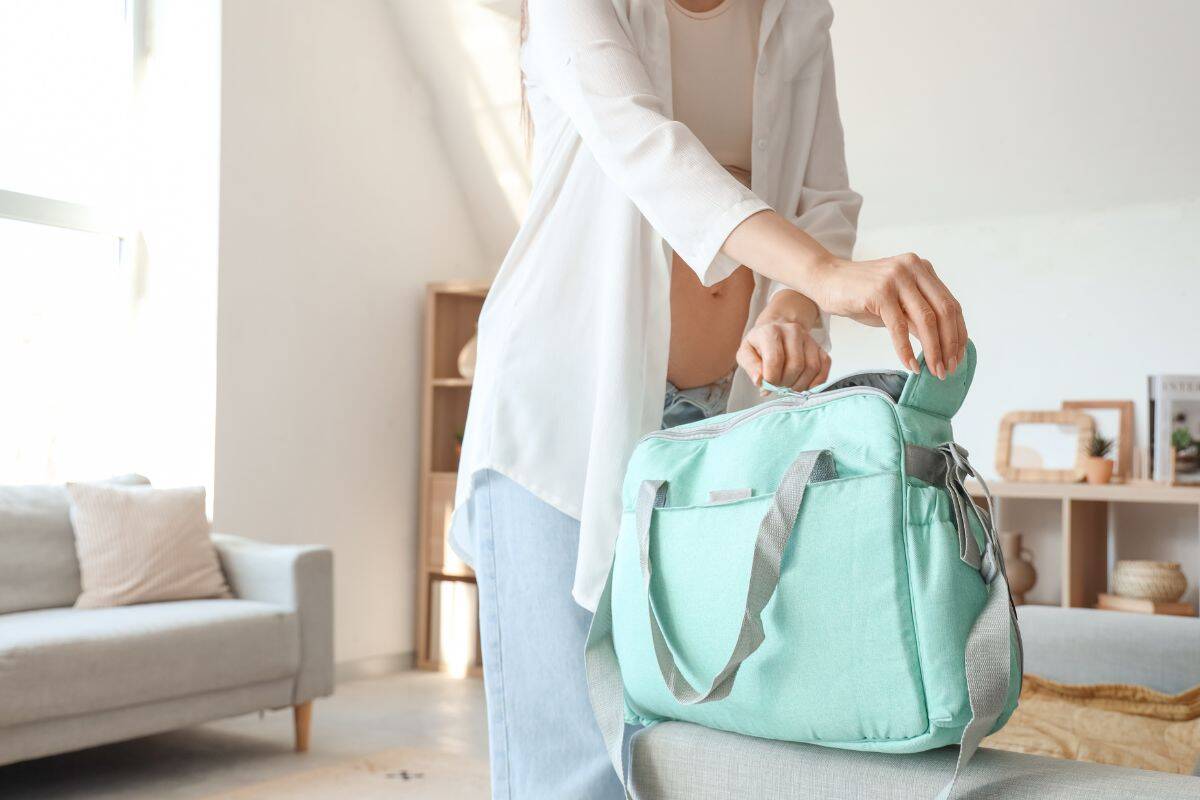
Most moms-to-be start packing around week 32–35, but with my second pregnancy, I packed at 30 weeks since I’d had some early contractions. Having the bag ready meant one less thing to worry about. A good rule of thumb: aim to be ready by week 36, just in case.
If you’re expecting twins or have a high-risk pregnancy, it’s a good idea to pack your bag a little earlier, around week 28–30. For everyone else, aim to have it fully ready by 36 weeks, just in case your baby decides to come sooner than expected.
A helpful tip is to keep your packed bag by the door or in your car once you’re close to your due date, so you won’t be scrambling when it’s go time.
Hospital Bag Checklist for Mom
Packing your hospital bag for birth is all about making sure you’re comfortable, supported, and prepared for labor, delivery, and recovery. Here are the things new moms after birth and what I believe every mom should consider bringing to the hospital:
Comfort & Clothing
- Loose-fitting nightgown or labor gown – Something soft and easy to move in during labor.
- Robe & comfy pajamas – Perfect for walking around the ward and staying cozy afterward.
- Nursing bras & nursing-friendly tops – Supportive and convenient for feeding your baby.
- Maternity underwear – High-waisted, breathable, and comfortable (hospitals often provide disposable ones, but many moms prefer their own).
- Non-slip socks or slippers – To keep your feet warm and safe while walking around.
- Going-home outfit – A loose, stretchy outfit that feels comfortable on your postpartum body.
Toiletries & Personal Care
- Toothbrush, toothpaste, and face wash – A quick refresh makes a big difference.
- Lip balm & moisturizer – Hospitals are often dry, so these small comforts go a long way.
- Hair ties, brush, and dry shampoo – Simple ways to feel fresh without much effort.
- Heavy-duty maternity pads – Essential for postpartum bleeding (even if the hospital provides some, it’s good to have your preferred brand).
- Nipple cream & breast pads – Helpful in the early days of breastfeeding.
Labor & Delivery Essentials
- Birth plan (if you have one) – To share with your care team.
- Phone & charger (extra-long cord recommended) – To stay connected and capture those first precious moments.
- Water bottle – A reusable one with a straw makes sipping during labor much easier.
- Snacks – Quick, easy-to-eat snacks for both before and after labor.
- Music or relaxation tools – Headphones, calming playlists, or even a small essential oil roller can make a difference.
Important Documents
- Hospital paperwork & ID – Keep them together in a folder for easy access.
- Insurance details – If required by your hospital.
Packing with comfort in mind ensures you can focus less on logistics and more on the incredible moment of meeting your baby.
What to Pack in Your Hospital Bag for Baby
Just like mom, your baby will need a few essentials during those first precious days in the hospital. While the hospital provides some basics, bringing your own items ensures your little one is cozy, comfortable, and photo-ready.
Clothing & Comfort
- Onesies & sleepers – Soft, cotton outfits in newborn and 0–3 month sizes (babies come in all sizes!).
- Going-home outfit – A special, comfortable outfit for the trip home.
- Hats & mittens – To keep your baby warm and prevent tiny nails from scratching.
- Socks or booties – For cozy little feet.
Feeding & Care
- Receiving blankets or swaddles – Hospitals often provide them, but bringing your own softer or prettier ones can feel special.
- Burp cloths – Helpful for spit-ups in those first few days.
- Pacifier – If you plan to use one (optional).
Diapering Essentials
- Newborn diapers – Hospitals typically supply these, but having extras of your preferred brand can be handy.
- Wipes – Gentle, fragrance-free wipes are best for delicate newborn skin.
Travel Home Must-Have
- Infant car seat (already installed in your car) – This is non-negotiable, as you won’t be allowed to leave the hospital without one.
Optional Extras
- Baby nail file – Newborn nails grow quickly and can be sharp.
- Photo-ready outfit or blanket – Perfect for those first family photos.
By packing these baby essentials, you’ll have peace of mind knowing your little one is well cared for from the very first moment.
What NOT to Pack in Your Hospital Bag
Here are the top things you don’t need on your hospital bag list: too many clothes, full packs of diapers and wipes, valuables, bulky baby gear, and unnecessary gadgets. Keeping your bag light and focused on essentials will save space and stress.
Why You Can Leave These at Home
- Too many clothes – Too many baby clothes – With my first, I packed five outfits and ended up using just one sleeper and a going-home outfit. Many hospitals provide gowns and basics, so you’ll only need a couple of cozy outfits for your little one.
- Full packs of diapers & wipes – Whilst these are amazing to have on your baby registry, hospitals generally supply these for your newborn. A small backup stash is fine, but don’t haul big packs.
- Valuables – Jewelry, large sums of cash, or expensive tech are better left safe at home.
- Big baby gear – Swings, bassinets, and toys aren’t needed for your short hospital stay.
- Lots of baby clothes – One going-home outfit and a spare sleeper are usually enough.
- Books of paperwork – Only bring the essentials (ID, insurance card, birth plan).
- Unnecessary gadgets – Breast pumps, bottle warmers, or specialty pillows can wait until you’re home.
By skipping these extras, your hospital bag stays practical, organized, and ready for labor and delivery without the clutter.
FAQs About Packing Your Hospital Bag
Most moms aim to have their bag ready by week 35–36 of pregnancy, just in case baby decides to arrive early. That way you’re not scrambling at the last minute.
Two to three comfortable outfits are usually enough — think loose loungewear, nursing-friendly tops, and a going-home outfit. Hospitals provide gowns, so you don’t need much more.
Light, easy-to-eat options like granola bars, crackers, or fruit snacks. Skip anything too messy or heavily scented. A refillable water bottle is also a must.
Leave behind valuables, bulky baby gear, and full packs of diapers or wipes. Keeping it simple makes your hospital stay easier.
Final Thoughts on What to Pack in a Hospital bag
Packing your hospital bag is one of those milestone steps that makes everything feel real. The key isn’t filling it with stuff, but focusing on the things that make you comfortable, supported, and ready to meet your baby. From my own experience, the items I valued most weren’t fancy gadgets — they were the simple comforts like a robe, slippers, and snacks that made my hospital stay feel easier.
Every mom’s bag looks a little different, so use this hospital checklist as your foundation and add your own personal touches. Add in any personal comfort items that make you feel at ease, and skip the things the hospital already provides. The key is making sure your hospital bag for mom and baby is practical, organized, and ready to go when labor begins.
By preparing ahead of time, you’ll walk into the hospital feeling calm, confident, and focused on what truly matters – welcoming your little one into the world.


